
*₹20, 10 Minutes: Haryana Deploys Five Mobile Food Safety Vans for On-the-Spot Adulteration Tests*

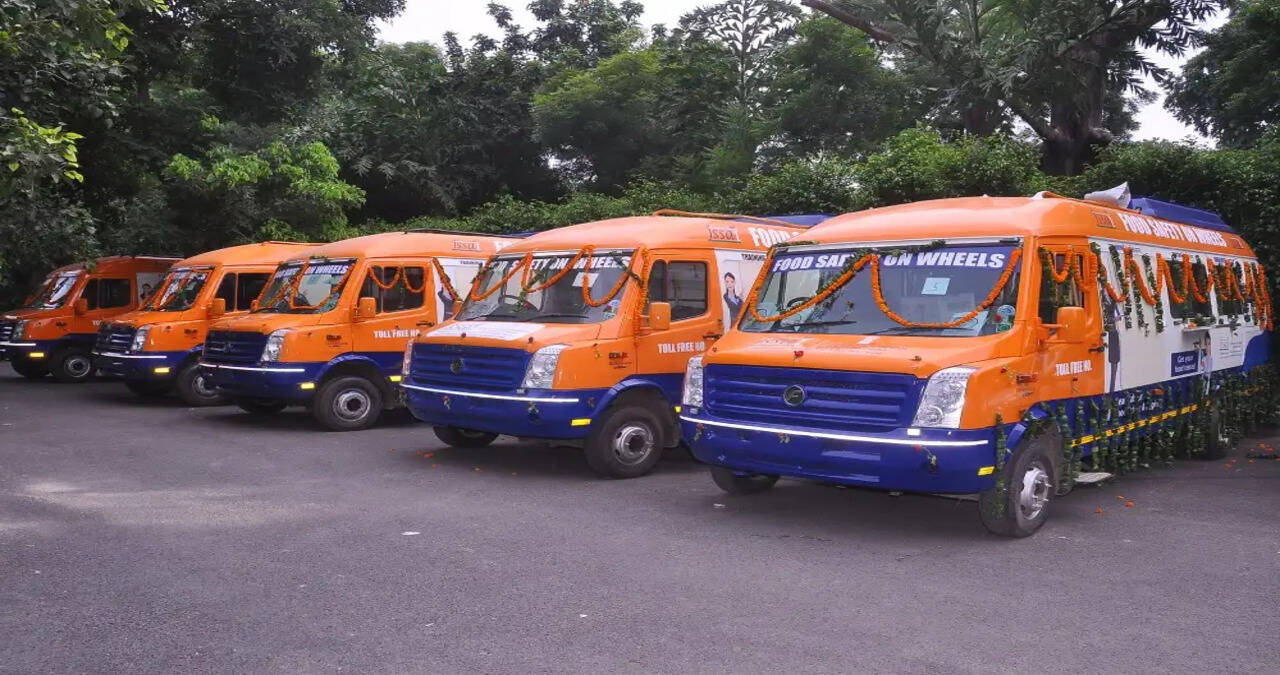

Chandigarh, September 22 - Consumers in Haryana will now be able to get everyday food items tested for possible adulteration for just Rs 20, with preliminary results available within 10 to 12 minutes, as five Mobile Food Safety Vans provided by the Food Safety and Standards Authority of India (FSSAI) have now been deployed across the state.
Additional Chief Secretary, Health and Family Welfare, Dr. Sumita Misra said here on Tuesday that the mobile laboratories would take food testing directly to public places, markets and educational institutions, combining on-the-spot screening with consumer awareness and enforcement against unsafe food.
The five vans, provided by FSSAI, New Delhi, are being deployed on a rotational basis at bus stands, schools, colleges, markets and other high-footfall locations across Haryana.
Citizens can bring samples of commonly consumed food items, including milk, spices, pulses and edible oils, for primary testing. A nominal fee of Rs 20 will be charged per sample and the preliminary test result will generally be available within 10 to 12 minutes, officials said.
“The objective is to make food safety testing easily accessible to ordinary citizens and, at the same time, strengthen awareness about adulteration and safe food practices,” Dr. Misra said.
The mobile units will also serve as an enforcement tool during fairs, festivals and other large public gatherings, where temporary food stalls and vendors operate in large numbers.
Food Safety Officers will be able to collect random samples and carry out preliminary testing on the spot. If a sample is found suspect or fails the preliminary test, officials will take further action in accordance with the prescribed food safety regulations.
Officials said the mobile laboratories would help authorities conduct quicker field-level screening and identify potentially unsafe food products without having to wait for the initial stage of testing at a conventional laboratory.
Apart from testing, Food Safety Officers and technical personnel travelling with the vans will conduct awareness programmes on food adulteration, fortified foods, nutrition labels, hygienic food handling and ways in which consumers can identify common signs of adulteration or spoilage.
The outreach will also support the Centre's Eat Right India and safe-food initiatives by taking food safety awareness directly to consumers. Dr. Misra said the initiative seeks to combine testing, enforcement and public education so that consumers become active participants in ensuring food safety.
She added that the mobile vans would particularly help expand the reach of food-safety surveillance by allowing authorities to conduct primary testing at markets, institutions and mass gatherings while simultaneously giving citizens access to a quick and inexpensive testing facility.
No;IPRHD/2026