
Haryana moves to keep mothers and sick newborns together during hospital treatment, expands family-centred care

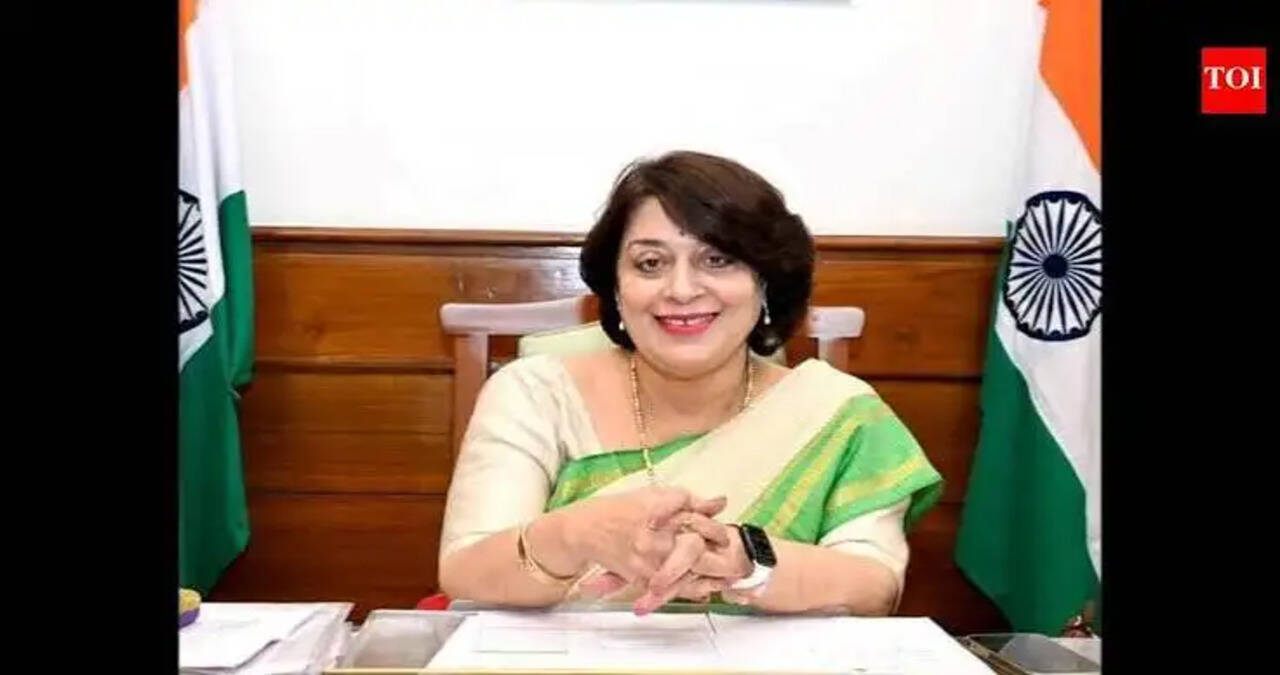

Health ACS Dr. Sumita Misra leads statewide mother-newborn care initiative; special facilities to promote skin-to-skin contact, breastfeeding and parental participation in newborn treatment
54 neonatal ventilators available across 29 Special Newborn Care Units, with adding 19 neonatal ventilators more to strengthen emergency preparedness
Chandigarh,
Strengthening its preparedness to save the lives of critically ill newborns, Haryana is adding 19 additional neonatal ventilators neonatal ventilators worth approximately Rs. 7 crore to augment the existing infrastructure across the state. With 54 neonatal ventilators available across its Special Newborn Care Units (SNCUs), the state is further strengthening its capacity to respond to critical situations and ensure timely respiratory support for vulnerable newborns.
Alongside this, Haryana is undertaking a statewide initiative to transform specialised newborn care facilities into integrated Mother Newborn Care Units (MNCUs), enabling mothers to remain close to their babies during hospital treatment wherever medically appropriate, Additional Chief Secretary, Health & Family, Dr. Sumita Misra said on Wednesday.
The initiative aims to reduce avoidable separation between mothers and hospitalised newborns by combining specialised medical treatment with continuous maternal presence, breastfeeding support and family participation in patient care. Under the new approach, mothers will be encouraged to remain beside their babies during hospitalisation and participate in their care under the supervision of trained doctors and nurses.
The Health Department said the initiative follows the World Health Organization's principle of "zero separation", which promotes keeping mothers and newborns together whenever clinically appropriate, including in cases requiring specialised newborn care. The model is particularly relevant for premature and low-birth-weight babies who may require prolonged hospitalisation, feeding assistance, temperature regulation and close medical monitoring.
Mothers to become active partners in newborn care
A key feature of the MNCU model is Kangaroo Mother Care, which involves prolonged skin-to-skin contact between a newborn and the mother or another appropriate caregiver. The practice helps maintain the baby's body temperature, supports breastfeeding and encourages bonding between the mother and child. It is particularly beneficial for eligible premature and low-birth-weight infants.
The integrated care model also allows mothers to receive guidance from healthcare professionals on breastfeeding, newborn nutrition, hygiene and recognising warning signs. The department said continuous maternal presence could help mothers develop greater confidence in caring for their babies while reducing the distress associated with avoidable separation during hospitalisation. Where appropriate, other family caregivers may also participate in routine newborn care under professional supervision.
Ambala and Kurukshetra became models for expansion
The statewide initiative builds on research and practical experience gained through mother-newborn care facilities established at district hospitals in Ambala City and Kurukshetra. According to the Health Department, an implementation research study on Immediate Kangaroo Mother Care was initiated at District Hospital, Ambala City, by the Society for Applied Studies and the World Health Organization in collaboration with the Haryana government.
As part of the research, the department said India's first district-level Mother Newborn Care Unit at a Level-2 healthcare facility was established in Ambala City, demonstrating how specialised newborn treatment could be integrated with continuous maternal presence. Following the Ambala initiative, another MNCU was established at District Hospital, Kurukshetra, which subsequently served as a model facility for the statewide programme.
Health officials from districts across Haryana visited the Kurukshetra unit to study infrastructure requirements, medical equipment, infection-control measures, staffing patterns and clinical procedures necessary for establishing similar facilities. The National Health Mission, Haryana, in coordination with the Society for Applied Studies, organised these orientation visits to help district health teams prepare for the expansion.
Statewide upgrading of specialised newborn units
Dr. Misra had directed officials at the National Health Mission's executive committee meeting on August 21 to establish or upgrade all Special Newborn Care Units in Haryana as Mother Newborn Care Units by November 1, 2026.
The directions formed part of the state's broader strategy to strengthen hospital-based newborn services by incorporating family-centred care into existing medical facilities. Haryana had 29 Special Newborn Care Units, according to figures released during the August review of the state's maternal and child healthcare services. However, the information released on Wednesday did not specify how many of these units had completed the transition to the MNCU model.
The department said the expansion was being undertaken through coordination among the Health and Family Welfare Department, National Health Mission, district health authorities and the Society for Applied Studies.
Specialised treatment to continue alongside maternal presence
The Health Department emphasised that the MNCU approach would integrate maternal participation with appropriate clinical assessment, monitoring and treatment. Depending on a newborn's medical condition and the capabilities of the healthcare facility, treatment may include oxygen support, continuous positive airway pressure (CPAP) assistance, phototherapy for jaundice, feeding support, and prescribed medications.
Babies requiring more advanced care will continue to receive referrals to higher-level healthcare institutions whenever medically necessary. The department said infection prevention would remain an essential component of the programme, with prescribed procedures for hand hygiene, environmental cleaning, disinfection, biomedical waste management and movement within specialised care units.
Families to receive guidance before hospital discharge
The initiative also focuses on helping parents care for their babies after they return home. Mothers and other eligible caregivers will receive guidance on breastfeeding, Kangaroo Mother Care, newborn hygiene, warning signs that require medical attention, and follow-up care.
The department said involving mothers in appropriate aspects of treatment would help families become familiar with their babies' needs and prepare them to continue recommended care after discharge. The MNCU approach also seeks to strengthen coordination among healthcare workers, standardise clinical procedures and improve the organisation of newborn services within existing public healthcare facilities.
The statewide initiative reflects Haryana's efforts to make newborn healthcare more responsive to the needs of both mothers and babies while maintaining clinical safety and appropriate medical supervision. By integrating specialised treatment with maternal presence and family participation, the programme aims to provide vulnerable newborns with the benefits of medical care alongside the comfort and support of their mothers during recovery, she added