
Haryana Emphasises AYUSH Approaches for Prevention of Chronic Diseases

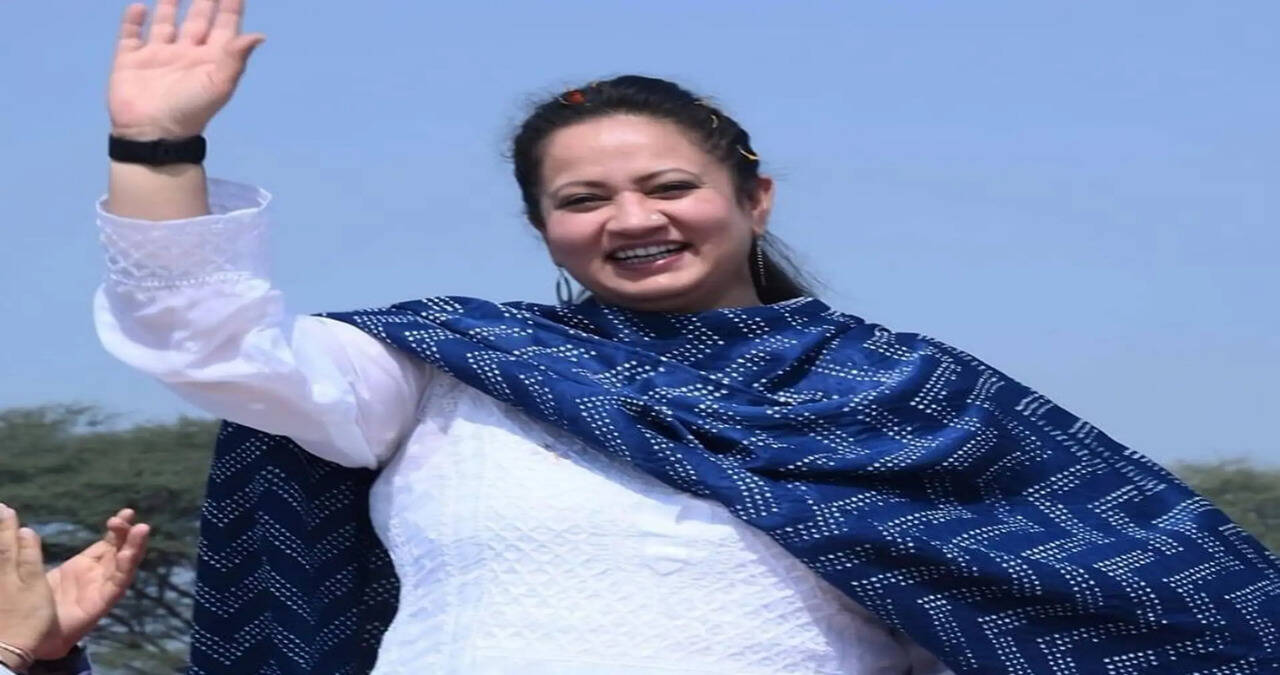

Chandigarh, August 11- Haryana Health, Medical Education and Research and AYUSH Minister, Ms. Arti Singh Rao, said that AYUSH healthcare systems play an important role in the management and prevention of chronic diseases. She appealed to the people of the State to consider traditional systems of medicine for healthcare and disease prevention.
The Health Minister said that with lifestyle-related diseases increasing due to changing lifestyles and daily routines, there has been a growing interest in AYUSH systems, including Ayurveda, Yoga and Naturopathy, Unani, Siddha and Homoeopathy not only in India but also globally. Keeping in view the growing relevance of these systems, the State Government recently organised the Rashtriya Poshan Maah/Seva Pakhwada on a large scale. During the campaign, the AYUSH Department organised around 1,771 AYUSH health camps across the State, providing free health check-ups and medical consultation to more than 10,900 people.
Highlighting the steps being taken to strengthen the State’s healthcare infrastructure, Ms Arti Singh Rao said that the State Government is committed to providing better healthcare facilities, quality medical education and health awareness, particularly to people living in rural and remote areas.
In this direction, the State has four major Ayurvedic hospitals—a 100-bed hospital in Kurukshetra, a 25-bed hospital in Bhiwani, a 10-bed hospital at Imlota village in Charkhi Dadri and a 100-bed hospital in Narnaul. Besides, one Unani hospital has been established at Sihol in Palwal and one Homoeopathic hospital at Chandpura in Ambala.
She said that the AYUSH infrastructure is not limited to major hospitals and had also been expanded at the primary level. Six Ayurvedic Primary Health Centres are functional in the State, including two in Kaithal and one each in Panipat, Rohtak, Sirsa and Jind. To make Panchakarma treatment more accessible, six Panchakarma centres are being run by the State Government—two each in Ambala and Panchkula and one each in Karnal and Jhajjar—while 21 Panchakarma centres are being operated under the National Health Mission.
In addition, 515 Ayurvedic, 16 Unani and 24 Homoeopathic dispensaries are providing healthcare services across the State. The Institute of Indian Medical Systems and Research in Panchkula is also functioning as a key centre for research and innovation.
Giving details of healthcare facilities established under the National AYUSH Mission, the Health Minister said that 21 AYUSH wings in district hospitals, 102 AYUSH IPDs in Community Health Centres (CHCs) and 106 AYUSH OPDs in Primary Health Centres (PHCs) are currently providing healthcare services to citizens. Most of these facilities are located in rural and remote areas, helping extend healthcare services to people in underserved regions.
Highlighting Haryana’s efforts in medical education, Ms. Arti Singh Rao said that the State is giving a new dimension to AYUSH education through Shri Krishna AYUSH University, Kurukshetra. One government Ayurvedic college and 12 private Ayurvedic colleges are currently functioning in the State and providing medical education.
Ms Arti Singh Rao said that Ayurveda, Yoga and Naturopathy, Unani, Siddha and Homoeopathy have been practised in India since ancient times. She said these systems have a long history of use and continue to contribute to healthcare and wellness. She appealed to the people to incorporate healthy practices into their daily lives for a healthier and longer life.